NASA's Artemis II Mission Prepares for 10-Day Crewed Lunar Flight
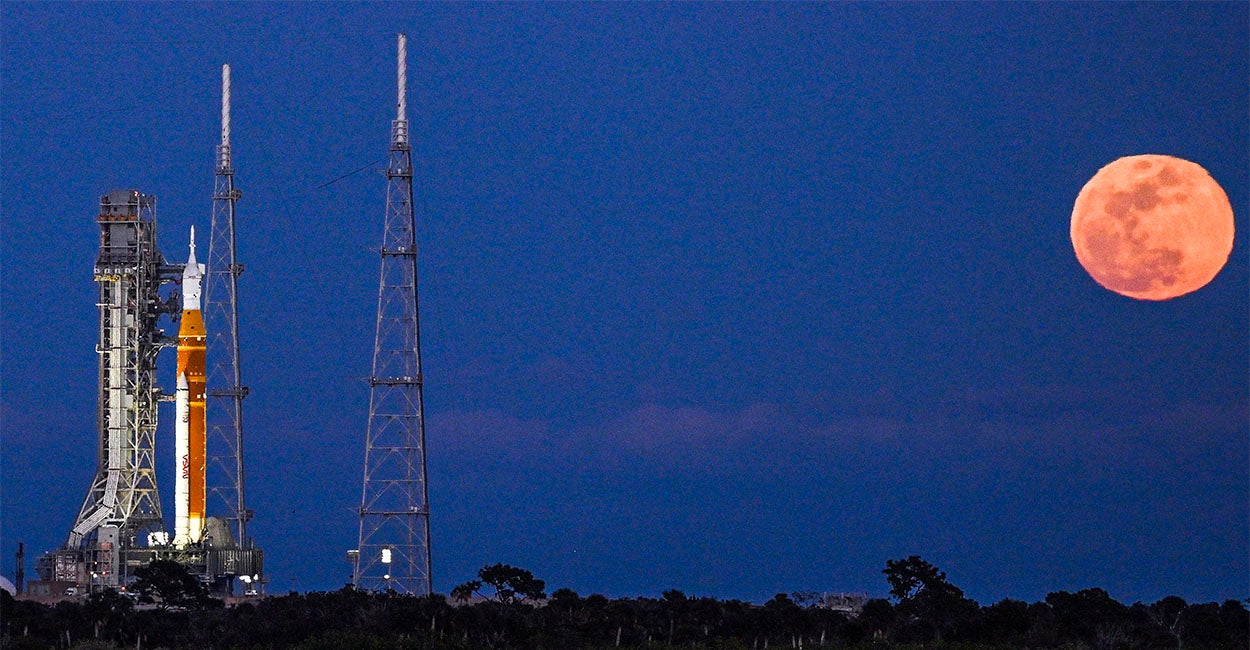
NASA's Artemis II mission is nearing launch at Kennedy Space Center's Launch Pad 39B, marking a significant milestone in America's return to lunar exploration. The 10-day crewed mission will carry four astronauts around the moon, representing the first crewed lunar mission since the Apollo era ended in the 1970s. This flight serves as a crucial test before NASA attempts to land astronauts on the lunar surface in future Artemis missions. The mission comes as international competition in space exploration intensifies, with multiple nations developing their own lunar programs. The Artemis program aims to establish a sustainable human presence on and around the moon, potentially serving as a stepping stone for future Mars exploration. Success of this mission would demonstrate renewed American capabilities in deep space exploration and help validate technologies needed for longer-duration missions beyond Earth's orbit.
Key facts
- Artemis II will carry four astronauts on a 10-day flight around the moon
- The mission is launching from Kennedy Space Center's Launch Pad 39B
Where sources agree
- NASA's Artemis II mission is preparing for a 10-day crewed lunar flight
- The mission represents a return to crewed lunar exploration after decades
Where sources differ
- The primary motivation for lunar exploration (scientific vs strategic)
- The emphasis on international competition versus cooperation
How different outlets framed it
Left-leaning coverage: Left-leaning sources would likely focus on the international cooperation aspects of the Artemis program and the scientific benefits of lunar exploration. They might emphasize the program's potential for advancing climate research and peaceful space exploration while questioning the military implications of establishing lunar dominance.
Right-leaning coverage: The right-leaning perspective emphasizes America 'reclaiming the lunar high ground,' framing the mission in terms of national security and competitive advantage. They highlight the importance of maintaining American leadership in space exploration and the strategic value of lunar presence in the face of international competition, particularly from China.
Limits of this briefing
Analysis is based on only one source with moderate credibility, limiting the ability to identify diverse political perspectives and potential bias in coverage.