Trump Administration Announces 100% Tariffs on Imported Pharmaceuticals Unless Pricing Deals Agreed
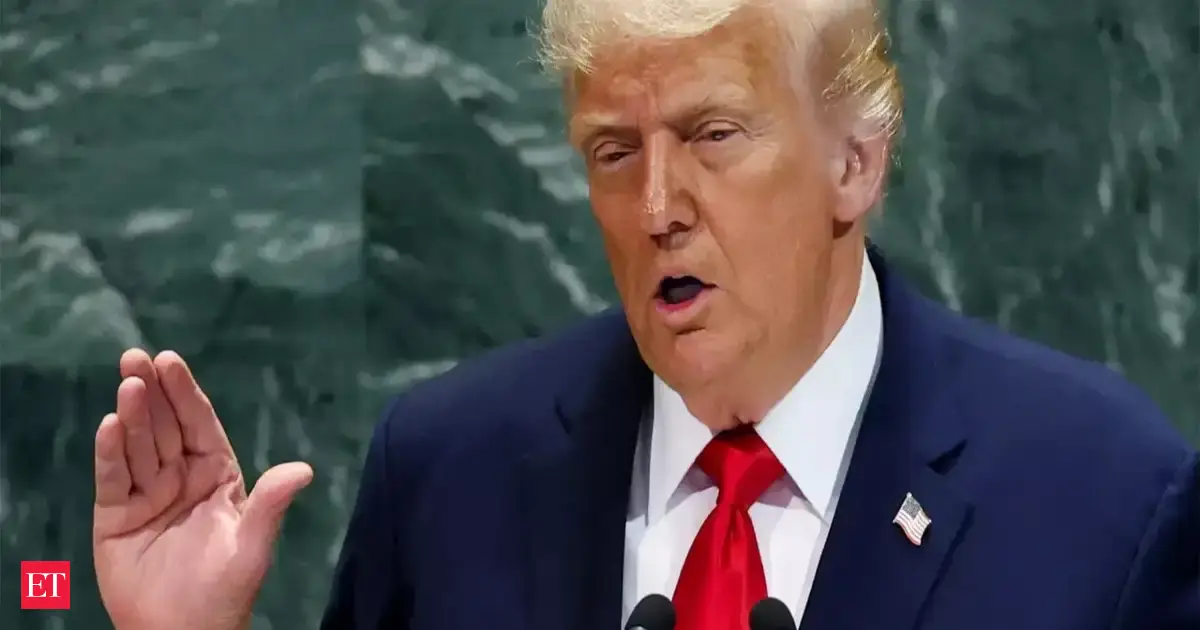
The Trump administration announced Thursday it will impose 100 percent tariffs on branded pharmaceuticals imported into the United States. The policy targets drug manufacturers that refuse to agree to government pricing deals or commit to manufacturing within the US. Companies have a limited timeframe to comply with these requirements. The administration frames this as an effort to reduce prescription drug costs for Americans while encouraging domestic pharmaceutical production. The move represents a significant shift in trade policy toward the pharmaceutical sector, which has long been criticized for high drug prices. The tariffs would effectively double the cost of imported medicines that don't meet the administration's criteria. This policy combines trade enforcement tools with healthcare cost concerns, potentially affecting both drug accessibility and pricing. The pharmaceutical industry will need to weigh the costs of compliance against the financial impact of the tariffs, which could ultimately influence drug availability and pricing for American consumers.
Key facts
- 100% tariffs will be imposed on imported branded pharmaceuticals
- Companies have limited time to agree to government pricing deals or commit to US manufacturing
Where sources agree
- Trump administration announced 100% tariffs on imported branded pharmaceuticals
- Policy aims to encourage domestic pharmaceutical manufacturing
Where sources differ
- Whether this approach will effectively lower drug costs
- Impact on patient access to medications
How different outlets framed it
Left-leaning coverage: Left-leaning coverage would likely focus on concerns about potential negative impacts on drug accessibility and affordability for patients. They might emphasize how tariffs could ultimately increase costs for consumers and question whether this approach will effectively lower prescription drug prices.
Right-leaning coverage: Right-leaning sources would likely frame this as a strong negotiating tactic to bring pharmaceutical manufacturing back to America and reduce dependence on foreign drug production. They would emphasize the potential for job creation and improved supply chain security.
Limits of this briefing
Analysis based on only one source with 82% credibility rating. Missing perspectives from pharmaceutical industry representatives and additional political viewpoints that would provide more comprehensive coverage.