Malaysia EV Registrations More Than Double in First Quarter 2026
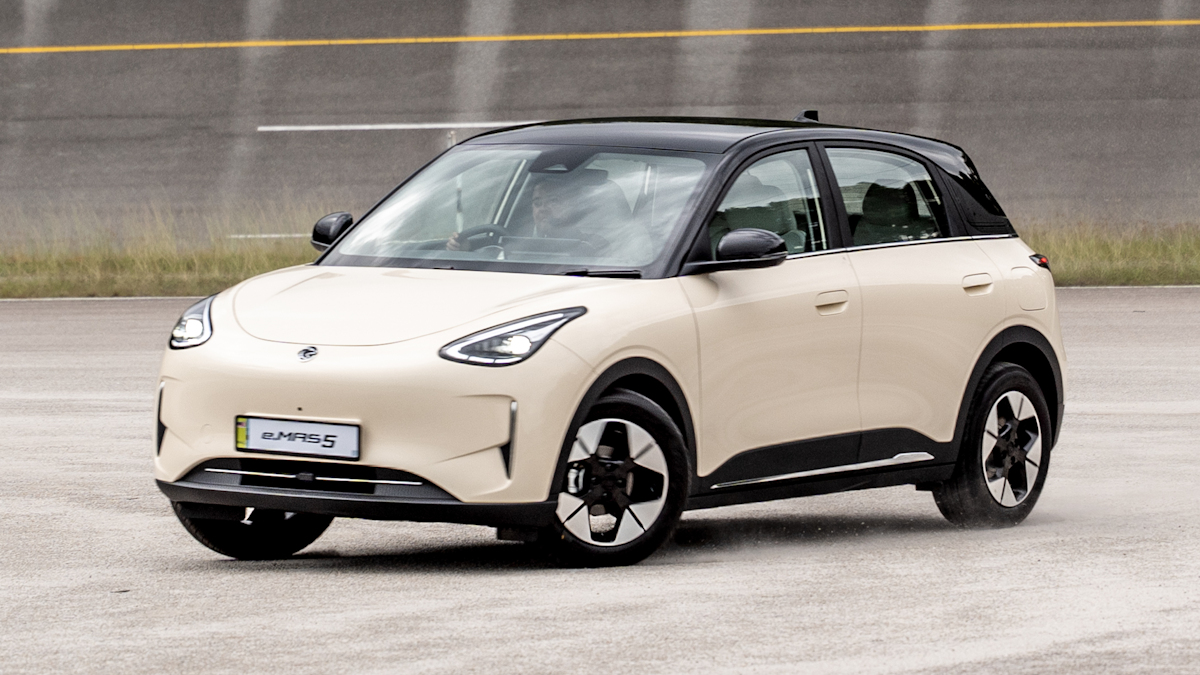
Malaysia's electric vehicle market showed remarkable growth in the first quarter of 2026, with registrations more than doubling compared to the previous year. According to data from JPJ, the country's vehicle registration authority, 4,717 electric vehicles were registered in March 2026 alone. This surge comes despite a broader slowdown in Malaysia's overall automotive market, suggesting EVs are capturing an increasing share of new vehicle sales. The growth reflects ongoing global trends toward electric mobility, driven by environmental concerns, government incentives, and improving EV technology. Malaysia's EV adoption has been supported by various policy measures and infrastructure development initiatives. However, the country still faces challenges including charging infrastructure coverage and vehicle affordability. The strong Q1 performance indicates Malaysia's electric vehicle transition is accelerating, though it remains to be seen whether this pace can be sustained throughout 2026 as market conditions evolve.
Key facts
- 4,717 EVs were registered in Malaysia in March 2026
- EV registrations more than doubled in Q1 2026 compared to previous year
Where sources agree
- EV registrations in Malaysia showed strong growth in Q1 2026
- The broader automotive market experienced a slowdown during this period
Where sources differ
- Role of government incentives versus market forces in driving adoption
- Long-term sustainability of current growth rates
How different outlets framed it
Left-leaning coverage: Only one centre-leaning source is available, which would likely emphasize the environmental benefits of increased EV adoption and the success of government policies in promoting sustainable transportation. The focus would be on how this growth supports climate goals and reduces dependence on fossil fuels.
Right-leaning coverage: A right-leaning perspective might emphasize market-driven adoption over government intervention, highlighting consumer choice and technological advancement. They could focus on economic benefits like job creation in new industries while questioning the sustainability of government incentives.
Limits of this briefing
Analysis based on only one source with moderate credibility (50%), limiting perspective diversity. The article excerpt is incomplete, potentially missing important context and details.