Physics Experiments Fail to Find Evidence for Hypothetical Sterile Neutrinos
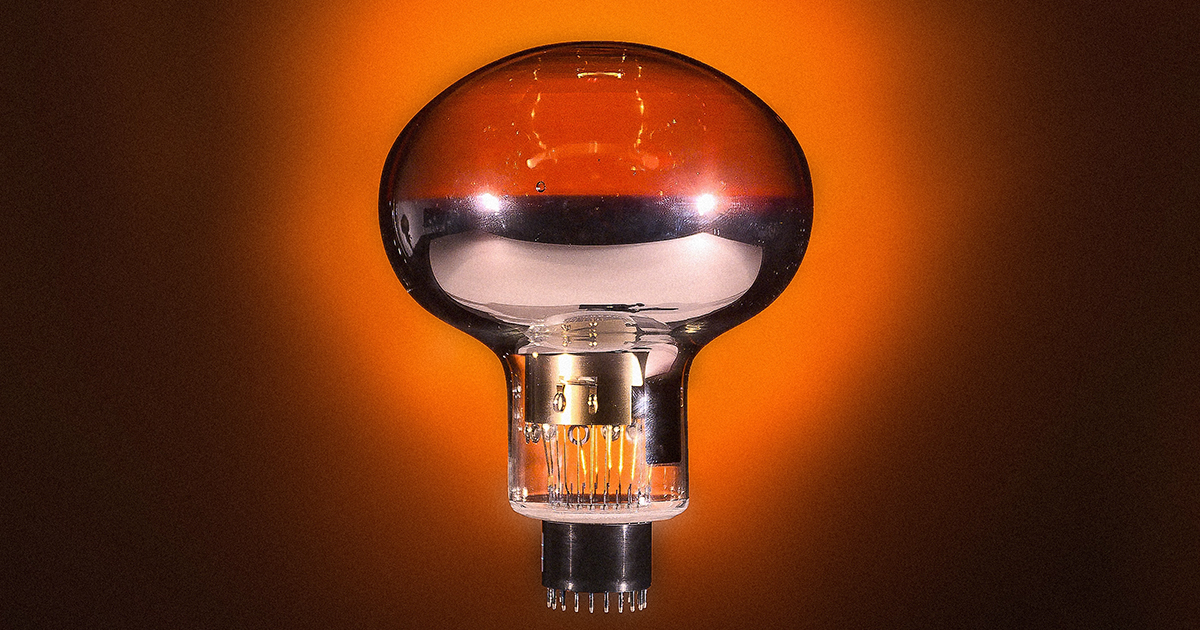
Recent physics experiments have dealt a significant blow to the theory of sterile neutrinos, hypothetical particles that scientists hoped could explain several mysteries in particle physics. The Microboone collaboration, among other research groups, conducted extensive experiments looking for unusual neutrino behavior that would indicate the existence of these phantom particles. Their findings showed nothing out of the ordinary when counting electron neutrino events, contradicting decades of earlier experimental results that had suggested sterile neutrinos might exist. These particles were considered promising candidates to help solve fundamental questions about the universe, including dark matter and why regular matter dominates over antimatter. The failure to detect sterile neutrinos leaves physicists without clear answers to these longstanding puzzles and forces them to reconsider their theoretical models. While disappointing for some researchers who had pinned hopes on this solution, the results demonstrate the rigorous scientific process of testing and refining our understanding of particle physics through careful experimentation.
Key facts
- The Microboone collaboration specifically analyzed electron neutrino events and found nothing unusual
- Decades of previous experimental results had appeared to support sterile neutrino existence
Where sources agree
- The Microboone collaboration found no evidence for sterile neutrinos
- Previous experimental results had suggested sterile neutrinos might exist
Where sources differ
- Cannot determine disagreements with only one source available
How different outlets framed it
Left-leaning coverage: Not applicable - only one source available focusing on scientific findings rather than political perspectives.
Right-leaning coverage: Not applicable - only one source available focusing on scientific findings rather than political perspectives.
Limits of this briefing
Analysis based on only one source from Quanta Magazine, which limits perspective diversity. Scientific reporting may not reflect broader political or social implications.