Indian Stock Markets End Higher After Volatile Trading Session
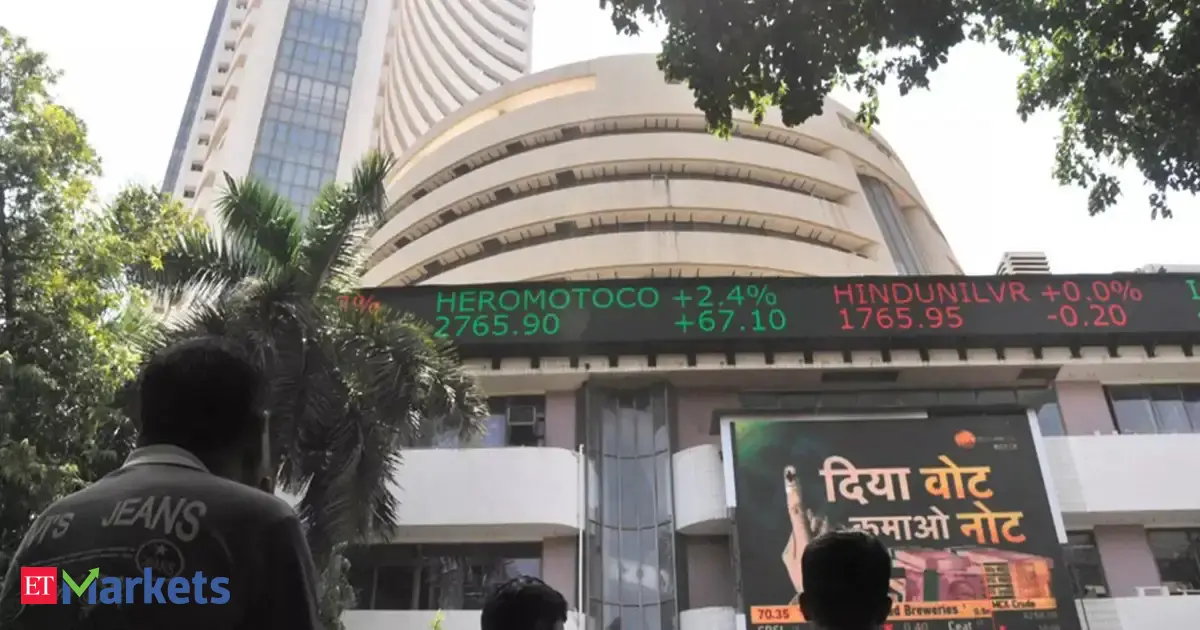
Indian stock markets closed higher on Thursday after experiencing significant intraday volatility. The Sensex and Nifty indices managed to recover from steep early declines to post gains for a second consecutive session in the new financial year. The market movements were driven by sharp swings throughout the trading day, reflecting ongoing uncertainty in global markets. Key concerns affecting market sentiment include geopolitical tensions in the Middle East and potential disruptions around the Strait of Hormuz shipping route. Looking ahead, market analysts are watching several factors that could influence trading in the coming week, including global developments and domestic economic indicators. The volatile trading pattern suggests that markets remain sensitive to external events and news flow. Despite the positive close, the overall market outlook remains uncertain and event-driven, with traders and investors closely monitoring geopolitical developments that could impact oil prices and global supply chains.
Key facts
- Sensex and Nifty extended gains for second consecutive session in FY27
- Markets experienced sharp intraday volatility before recovering
Where sources agree
- Indian markets closed higher after volatile trading
- Geopolitical tensions remain a key market concern
Where sources differ
- Cannot determine disagreements with only one source provided
How different outlets framed it
Left-leaning coverage: This source focuses on the technical recovery of Indian markets while highlighting underlying volatility and geopolitical risks. The coverage emphasizes the event-driven nature of current market conditions and warns of continued uncertainty ahead.
Right-leaning coverage: No right-leaning sources were provided in this analysis, limiting perspective on potential pro-market or growth-optimistic viewpoints.
Limits of this briefing
Analysis based on only one source, limiting comprehensive perspective. Missing potential right-leaning or bullish market viewpoints that might emphasize different factors.