International astronomers confirm universe expanding faster than predicted by early-universe models
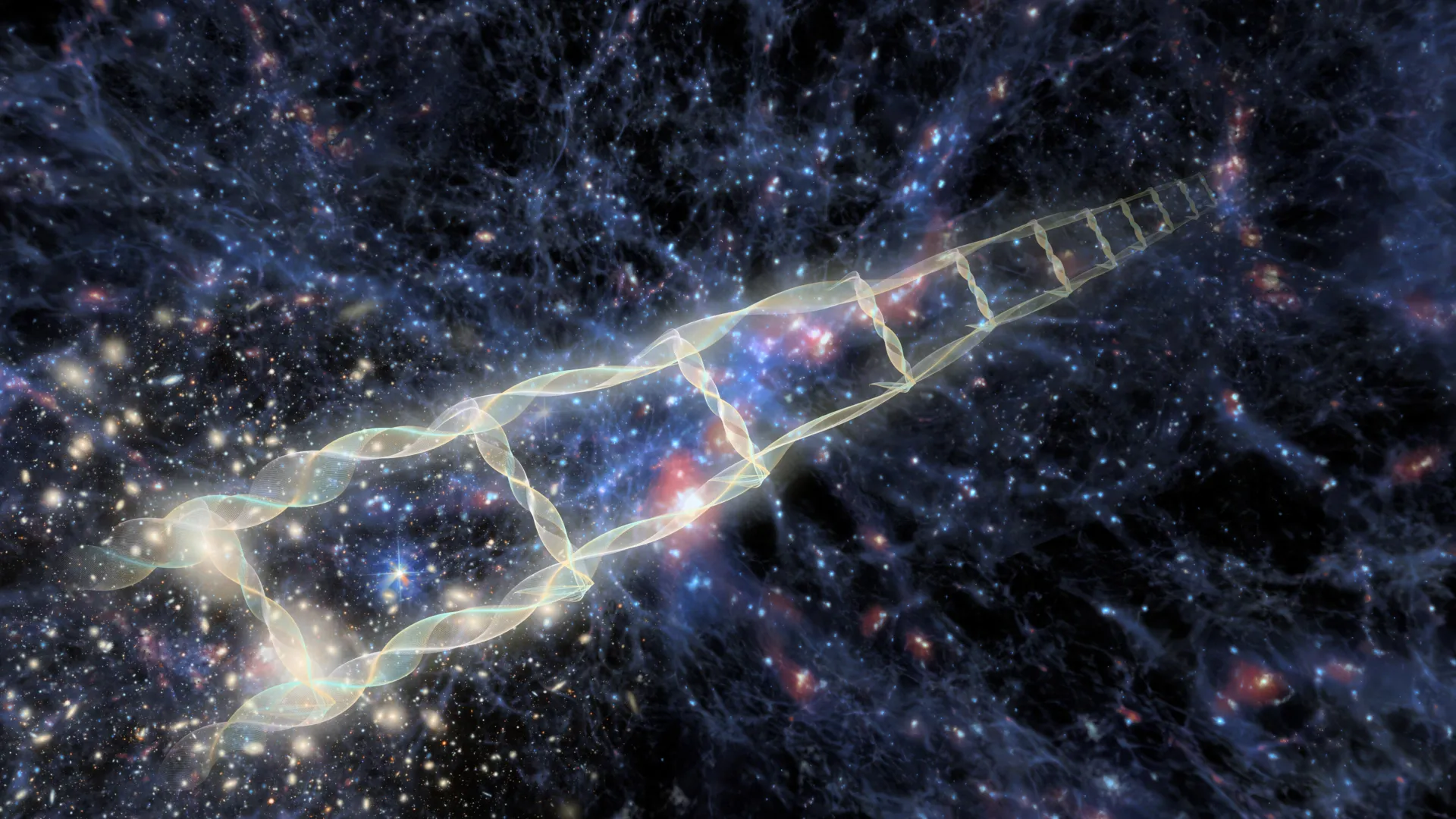
An international team of astronomers has produced one of the most precise measurements yet of how fast our nearby universe is expanding. Their findings confirm that the expansion rate is significantly faster than what scientists would expect based on models of the early universe. This discovery deepens what's known as the Hubble tension, a long-standing puzzle in cosmology. The researchers used multiple distance-measuring techniques to ensure accuracy and ruled out simple measurement errors as the cause of this discrepancy. Instead of resolving the mystery, the ultra-precise new data makes it even more puzzling why there's such a mismatch between observations of today's expansion rate and predictions from the early universe. This suggests there may be unknown physics or components of the universe that scientists haven't accounted for yet. The finding represents a major challenge to our current understanding of cosmology and could point toward new discoveries about dark energy, dark matter, or fundamental physics.
Key facts
- International team produced ultra-precise measurement of universe expansion rate
- Multiple distance-measuring techniques were linked to rule out simple measurement errors
Where sources agree
- The universe's expansion rate has been measured with unprecedented precision
- Current observations don't match predictions from early-universe models
Where sources differ
- No political disagreements identified - single scientific source
How different outlets framed it
Left-leaning coverage: Not applicable - only one source available focusing on scientific findings.
Right-leaning coverage: Not applicable - only one source available focusing on scientific findings.
Limits of this briefing
Analysis based on only one scientific source, limiting perspective diversity and political triangulation capabilities.