Medical Misinformation Spreads Faster Than Facts on Social Media Platforms
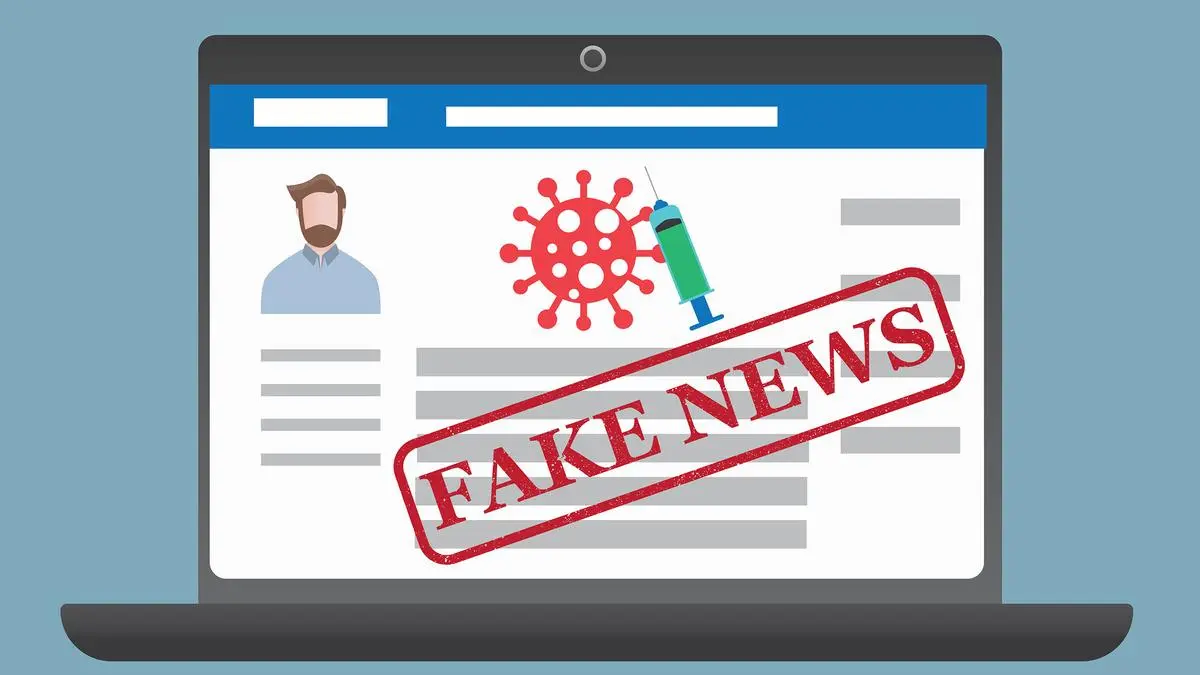
A major study from the Massachusetts Institute of Technology published in Science journal in 2018 revealed that false medical information spreads significantly faster and reaches more people on social media platforms like Twitter, now called X, compared to accurate health information. The research highlights a growing global concern about medical misinformation, particularly in countries like India where health literacy remains a challenge. False health claims can spread rapidly through social networks, potentially influencing public health decisions and undermining trust in legitimate medical advice. The phenomenon has become especially problematic during health crises when people actively seek information online. Experts emphasize the urgent need for improved health communication strategies and better digital literacy to help people identify reliable medical sources. Social media companies and health organizations are being called upon to develop more effective methods to combat the spread of dangerous health misinformation while promoting accurate, science-based medical information.
Key facts
- 2018 MIT study published in Science journal found falsehoods spread faster on Twitter
- The study specifically examined medical misinformation spread patterns on social media
Where sources agree
- Medical misinformation spreads rapidly on social media platforms
- Improved health literacy and communication strategies are needed
Where sources differ
- Cannot determine disagreements with only one source available
- Political perspectives on solutions are not evident in this article
How different outlets framed it
Left-leaning coverage: This source cannot be determined as left-leaning from the available article, which focuses primarily on the scientific study findings and health literacy concerns without clear political framing.
Right-leaning coverage: This source cannot be determined as right-leaning from the available article, which focuses primarily on the scientific study findings and health literacy concerns without clear political framing.
Limits of this briefing
Analysis based on only one source from a business publication, limiting perspective diversity. Political angles on this health communication issue are not clearly represented.