Russian Foreign Policy Expert Dmitry Trenin Takes Leadership Role at RIAC
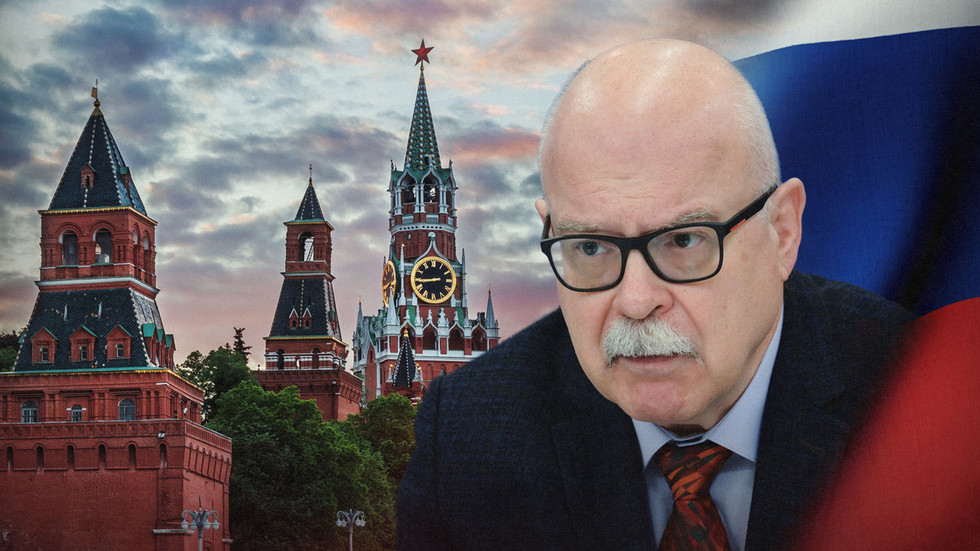
Dmitry Trenin, a prominent Russian international affairs expert, has been appointed as the new president of the Russian International Affairs Council, known as RIAC. In his first interview following this appointment, Trenin outlined his vision for the organization and discussed Russia's approach to analyzing global relationships, particularly regarding Ukraine, Europe, China, and neighboring countries. Trenin emphasized that Russia maintains an independent stance in international affairs, stating the country 'bows to no one' in its foreign policy decisions. He indicated plans for what he described as sharper analysis of key geopolitical relationships from a Russian perspective. The appointment comes at a time when Russia's international relationships remain strained due to ongoing conflicts and sanctions. RIAC serves as an influential Russian think tank that provides foreign policy analysis and recommendations. Trenin's leadership is expected to shape how Russia's foreign policy establishment views and responds to current global challenges, particularly the ongoing situation in Ukraine and relations with Western nations.
Key facts
- Dmitry Trenin is the new president of the Russian International Affairs Council (RIAC)
- Trenin gave his first interview to Kommersant correspondent following his appointment
Where sources agree
- Dmitry Trenin has been appointed as president of RIAC
- The appointment involves analysis of Russia's relationships with Ukraine, Europe, and China
Where sources differ
- Cannot identify disagreements with only one source provided
How different outlets framed it
Left-leaning coverage: Cannot determine left-leaning perspective as only one source was provided, which originates from RT, a Russian state-controlled media outlet.
Right-leaning coverage: Cannot determine right-leaning perspective as only one source was provided, which originates from RT, a Russian state-controlled media outlet.
Limits of this briefing
Analysis is severely limited by having only one source from RT, a Russian state-controlled outlet with acknowledged credibility issues. Multiple perspectives from diverse sources are needed for proper triangulation.