NASA's Artemis II Mission Conducts Live Streamed Lunar Flyby Today
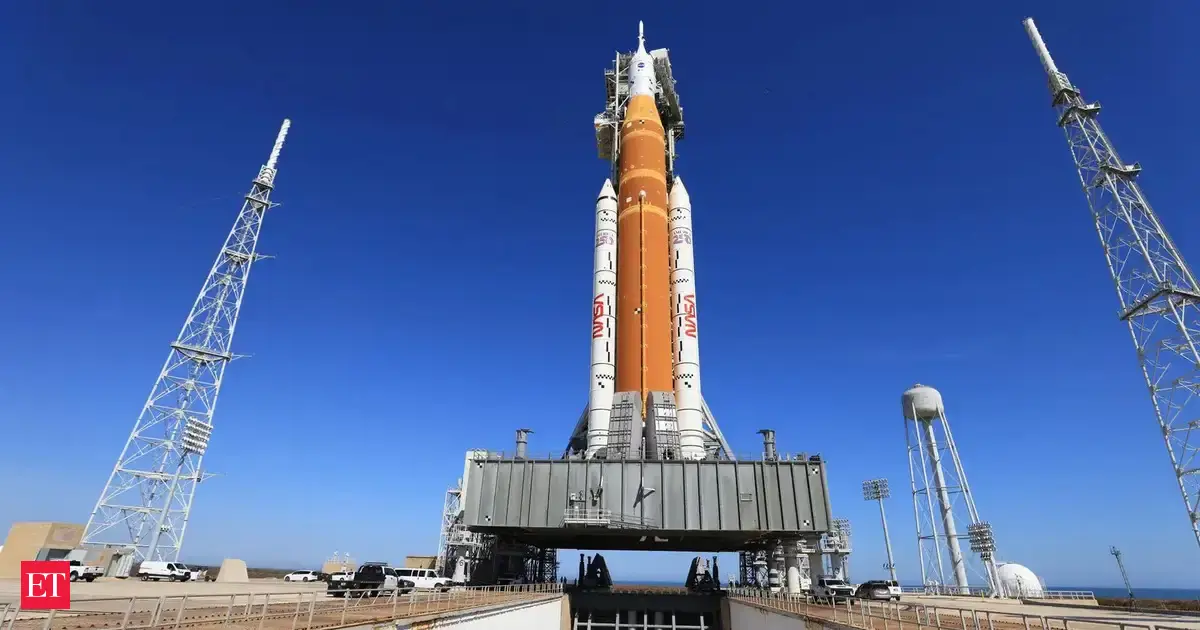
NASA's Artemis II mission is conducting a lunar flyby today, marking the first time humans have traveled beyond low Earth orbit in over fifty years. The spacecraft, carrying a crew of astronauts, is currently more than 250,000 miles from Earth as it passes around the Moon. This mission represents a significant milestone in NASA's broader Artemis program, which aims to return humans to the lunar surface. The flyby is being broadcast live through multiple platforms, including NASA's official live stream and Netflix, making it accessible to viewers worldwide. The event has generated considerable public interest, with Artemis II becoming one of the most searched space events globally. This mission serves as a crucial test flight before future lunar landing missions, demonstrating the capabilities of NASA's new spacecraft systems and crew operations in deep space. The successful completion of this flyby will be an important step toward establishing a sustained human presence on and around the Moon.
Key facts
- The spacecraft is traveling more than 250,000 miles from Earth
- This is the first human mission beyond low Earth orbit in over 50 years
Where sources agree
- Artemis II represents the first human mission beyond low Earth orbit in over 50 years
- The mission is being live-streamed globally and has generated significant public interest
Where sources differ
- The emphasis on international cooperation versus national achievement
- The framing of government spending on space exploration
How different outlets framed it
Left-leaning coverage: Left-leaning coverage would likely emphasize the international collaboration aspects of the mission and the scientific benefits for humanity. They might highlight how space exploration represents positive uses of government funding and technological advancement for peaceful purposes.
Right-leaning coverage: Right-leaning coverage would probably focus on American space leadership, national pride, and the demonstration of U.S. technological superiority. They might emphasize how this mission showcases American innovation and maintains the country's competitive edge in space exploration.
Limits of this briefing
Analysis based on only one source, which limits perspective diversity and comprehensive understanding of different political framings of this story.