Scientists Discover Ocean's Missing Plastic Has Broken Into Invisible Nanoplastic Particles
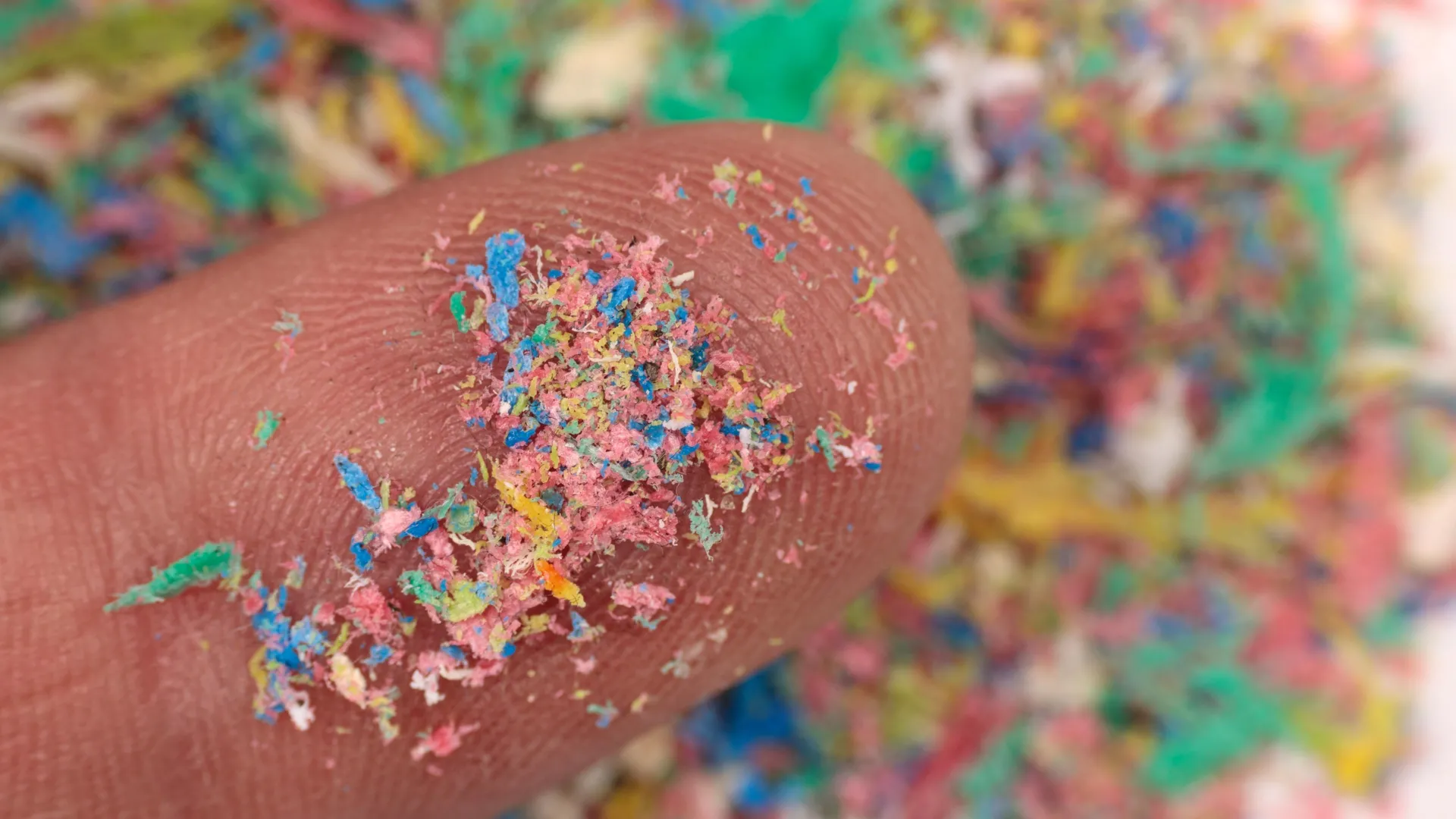
Scientists have solved a long-standing puzzle about where much of the ocean's plastic pollution has gone. New research in the Atlantic Ocean reveals that the majority of plastic waste hasn't disappeared—it has broken down into nanoplastics, particles so tiny they're invisible to the naked eye. These microscopic fragments are now spread throughout ocean water, the atmosphere, and living organisms, potentially including human bodies. The discovery helps explain why researchers have struggled to account for all the plastic waste that enters marine environments. While the full health implications remain unclear, the findings suggest that plastic pollution may be far more pervasive than previously understood. The nanoplastics can travel vast distances through air and water currents, meaning this contamination extends well beyond the original sources of plastic waste. This research represents a significant advancement in understanding how plastic pollution behaves in marine ecosystems and may influence future approaches to addressing the global plastic crisis.
Key facts
- Plastic has broken down into trillions of invisible nanoplastic particles
- Research was conducted in the Atlantic Ocean
Where sources agree
- Plastic pollution in oceans is breaking down into nanoplastic particles
- These particles are spreading through water, air, and living organisms
Where sources differ
- Cannot determine political disagreements with only one scientific source
- Policy responses and regulatory approaches unclear from available information
How different outlets framed it
Left-leaning coverage: This analysis is based on a single scientific source, so typical left-leaning perspectives emphasizing corporate responsibility, environmental justice concerns, and calls for stronger plastic production regulations cannot be determined from the available material.
Right-leaning coverage: This analysis is based on a single scientific source, so typical right-leaning perspectives focusing on technological solutions, economic impacts of potential regulations, or questioning the scope of environmental threats cannot be determined from the available material.
Limits of this briefing
This analysis is based on only one scientific source, limiting the ability to assess different political perspectives or policy debates surrounding the findings.