New Study Examines Disease Spillover Risks from Global Wildlife Trade
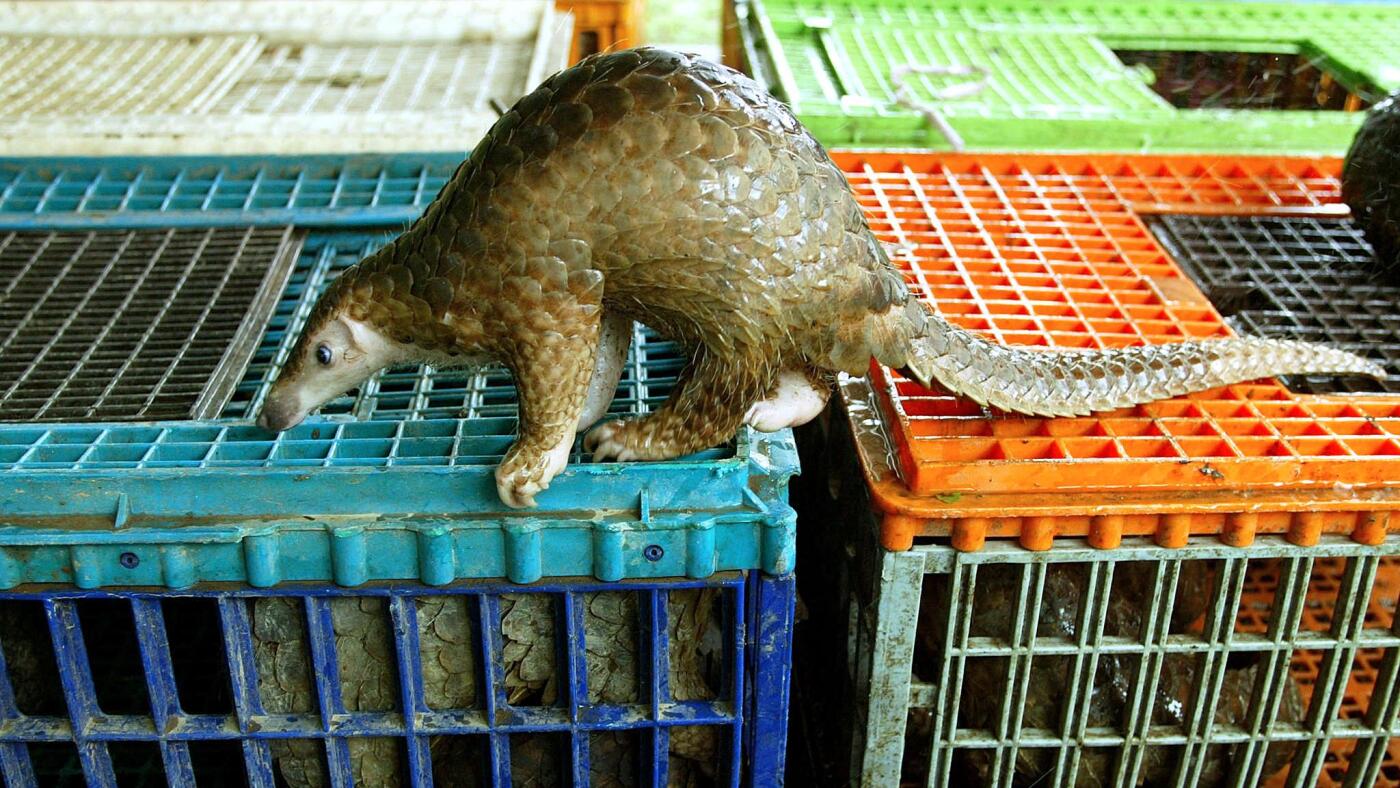
A new scientific study has examined the risks of disease transmission from wildlife trade to humans, analyzing the potential for pathogens to jump from wild animals sold for food, medicine, and pets to human populations. The research comes as scientists continue studying how wildlife commerce contributes to disease outbreaks. The 2003 case of African rodents imported to Illinois that triggered the first U.S. mpox outbreak serves as a key example of how exotic animal trade can introduce pathogens to new regions. The study looked at various species commonly traded including pangolins, giant rats, and other exotic animals sold both legally and through illegal markets. Researchers assessed spillover risks by examining how different traded species might carry diseases that could affect humans. The findings add to growing scientific understanding of how wildlife trade patterns intersect with public health concerns, particularly as global commerce in exotic animals continues through both regulated markets and black market channels.
Key facts
- The first U.S. mpox outbreak occurred in 2003 from African rodents imported to Illinois
- The study examined spillover risks from traded species including pangolins and Gambian giant rats
Where sources agree
- Wildlife trade involves both legal and illegal markets for food, medicine and pets
- The 2003 Illinois mpox outbreak was caused by imported African rodents
Where sources differ
- Unable to identify disagreements with only one source provided
How different outlets framed it
Left-leaning coverage: NPR focuses on the public health risks and scientific evidence of disease spillover from wildlife trade. The coverage emphasizes specific examples like the 2003 Illinois mpox outbreak from imported African rodents to demonstrate concrete health threats to communities.
Right-leaning coverage: No right-leaning sources were provided in this query to analyze their perspective on this wildlife trade and disease spillover study.
Limits of this briefing
Analysis based on only one source from NPR, limiting ability to assess different political perspectives or potential disagreements on this scientific study.