Astronomers Confirm Connection Between Exoplanet Mass and Rotation Speed
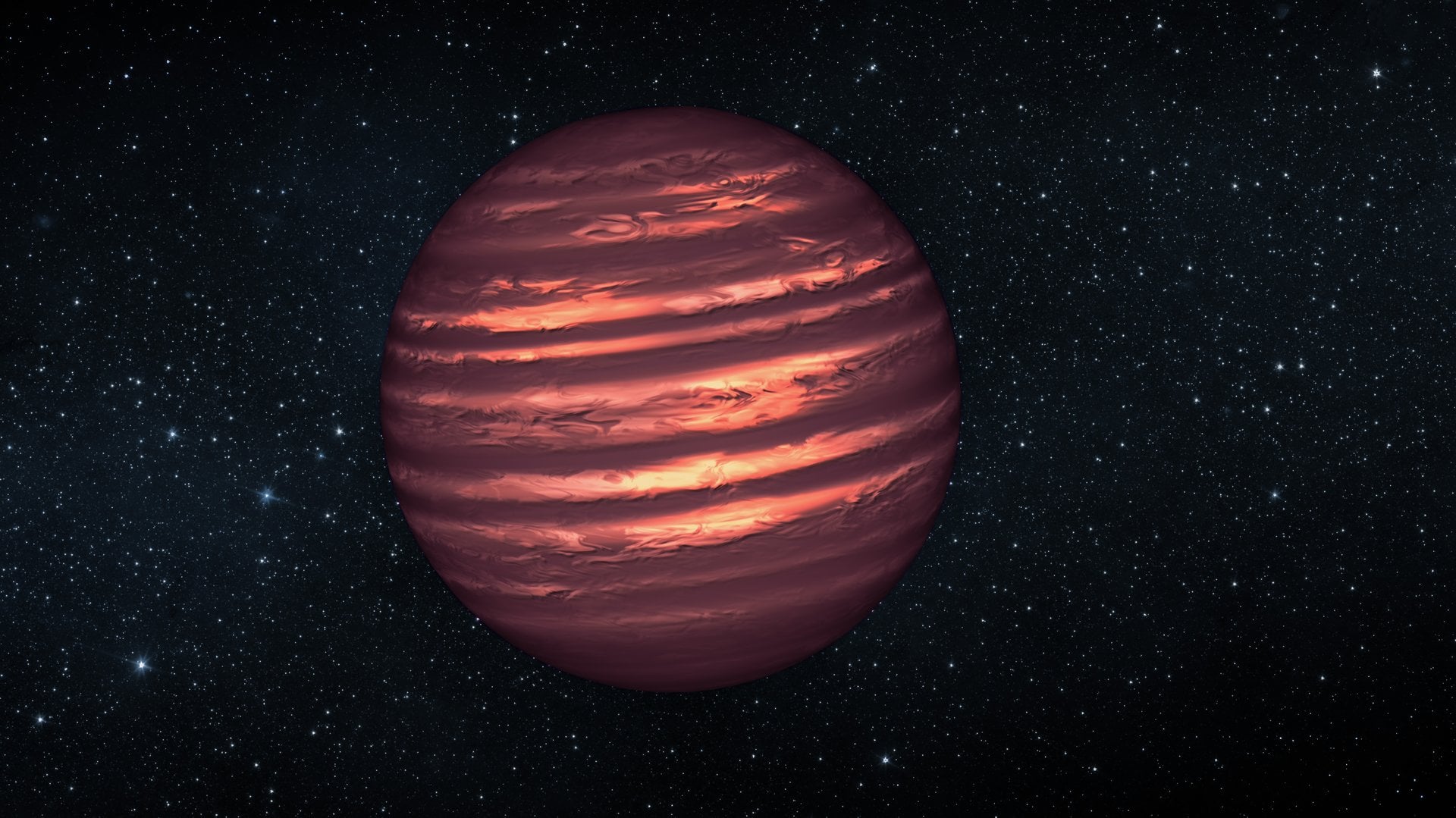
Astronomers using the W.M. Keck Observatory in Hawaii have completed the largest survey of exoplanet rotation speeds, confirming a long-held theory about the relationship between planetary mass and spin rate. The research team studied dozens of gas giants and brown dwarfs, finding that more massive planets tend to rotate faster, similar to what we observe in our own Solar System with Jupiter and Saturn. Both of these gas giants complete a full rotation in roughly ten hours, much faster than smaller planets like Earth. This discovery helps scientists better understand how planets form and evolve over time. The confirmation of this mass-rotation relationship provides important insights into planetary physics and could help astronomers predict the characteristics of newly discovered worlds. The research represents a significant step forward in our understanding of exoplanetary systems and adds to the growing body of knowledge about worlds beyond our Solar System.
Key facts
- The research was conducted using the W.M. Keck Observatory on Maunakea, Hawaii
- Jupiter and Saturn both complete rotations in roughly ten hours
Where sources agree
- The W.M. Keck Observatory in Hawaii was used for the research
- The study examined dozens of gas giants and brown dwarfs
Where sources differ
- No political disagreements identified as only one source provided
How different outlets framed it
Left-leaning coverage: No left-leaning sources were provided in the article set to analyze specific political framing or emphasis.
Right-leaning coverage: No right-leaning sources were provided in the article set to analyze specific political framing or emphasis.
Limits of this briefing
Analysis based on only one source with moderate credibility (50%), limiting the ability to provide multiple perspectives or verify claims independently.