Scientists Develop Method to Recycle Ancient Lead Bullets into Solar Panel Materials
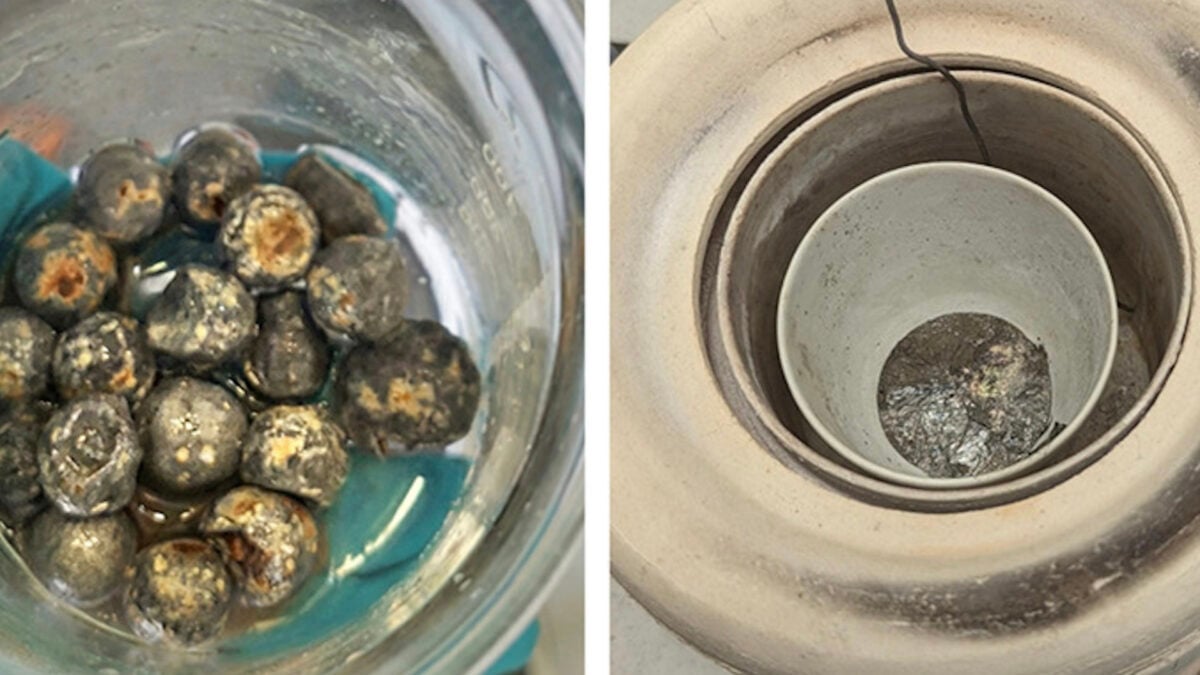
Materials scientists have developed a new technique to transform centuries-old lead bullets into compounds needed for advanced solar panels. The research focuses on recycling spherical lead bullets from the 16th and 17th centuries, which are contaminated with carbon residue and metal impurities. These historical artifacts, originally toxic waste, can be processed into materials useful for high-tech photovoltaic applications. The method addresses both environmental cleanup of lead contamination and supply chain needs for solar panel manufacturing. Lead remains highly toxic but has valuable applications in modern technology when properly processed and contained. This recycling approach could help manage historical lead waste sites while providing materials for renewable energy infrastructure. The technique demonstrates how archaeological waste materials might be repurposed for contemporary technological needs, potentially offering a sustainable solution for both environmental remediation and materials sourcing in the growing solar energy sector.
Key facts
- The lead bullets being recycled are nearly 300 years old from the 16th and 17th centuries
- The bullets are contaminated with carbon residue and metal impurities
Where sources agree
- Scientists have developed a method to recycle ancient lead bullets
- The bullets date from the 16th and 17th centuries
Where sources differ
- Cannot determine - only one source available
How different outlets framed it
Left-leaning coverage: Not available - only one source provided covering environmental benefits and sustainable technology applications.
Right-leaning coverage: Not available - only one source provided, which focuses on technological innovation and practical applications.
Limits of this briefing
Analysis based on only one source from Gizmodo with moderate credibility (50%), limiting perspective diversity and verification of claims.