Artemis II astronauts use flywheel device for compact space fitness workouts
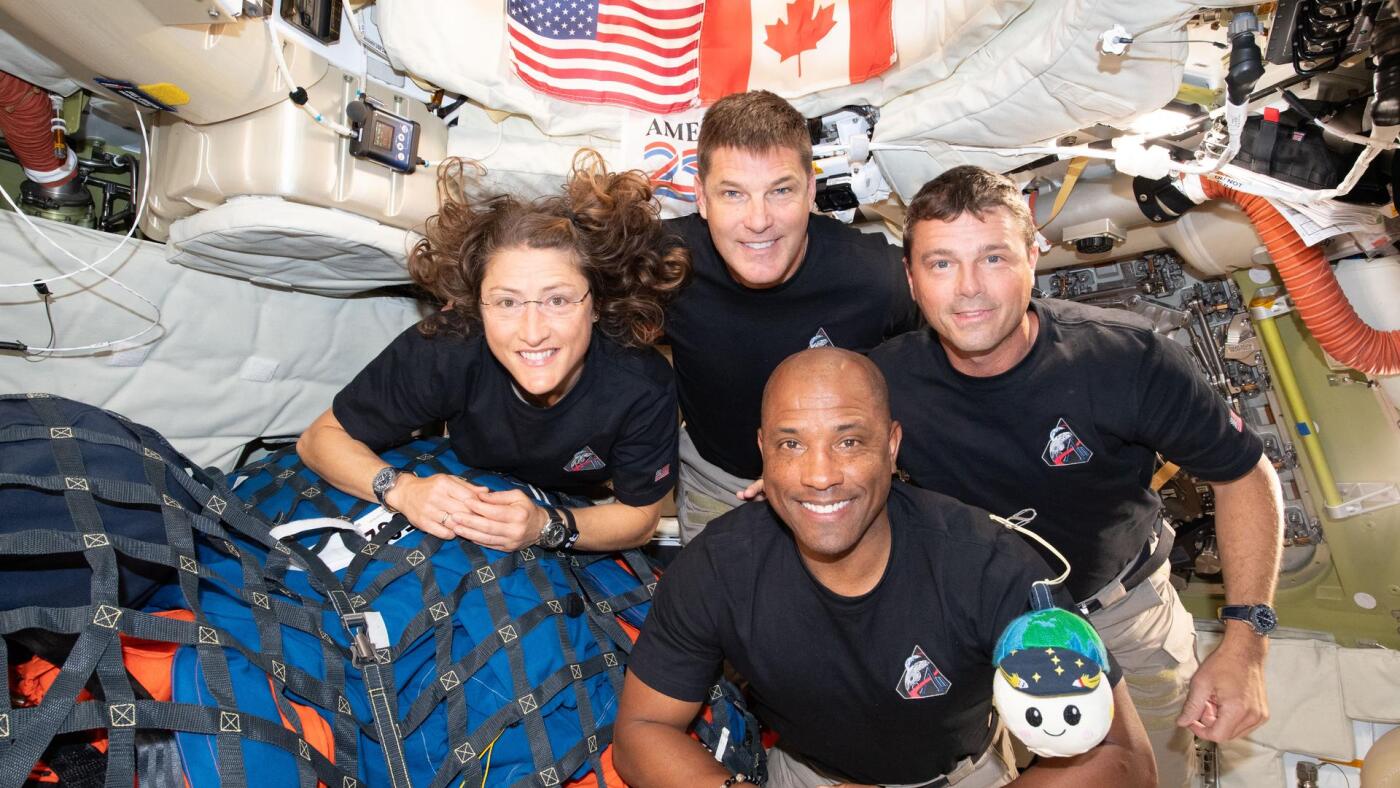
The Artemis II astronauts are using a specialized fitness device called a flywheel to maintain their health during their upcoming moon mission. This compact equipment allows them to perform both strength and cardiovascular exercises in the limited space of their spacecraft. The flywheel is necessary because even short periods in space can cause significant physical changes to the human body. Without Earth's gravity constantly pulling on the skeleton, astronauts can experience rapid muscle and bone loss within just a few days. This space-based fitness technology isn't just solving problems for astronauts - the compact, versatile design has potential applications for fitness enthusiasts on Earth who have limited space or equipment. The flywheel represents how space exploration continues to drive innovations that can benefit people in everyday life, from medical research to exercise equipment design.
Key facts
- Human muscle and bone can atrophy within just a few days of being away from Earth's gravity
- The flywheel is described as a small, compact device suitable for spacecraft use
Where sources agree
- Astronauts need specialized equipment to exercise in space's limited environment
- The flywheel device serves both strength and cardiovascular training purposes
Where sources differ
- Cannot determine disagreements with only one source provided
How different outlets framed it
Left-leaning coverage: NPR focuses on the scientific aspects of space-induced physical changes and the importance of maintaining astronaut health during missions. The coverage emphasizes the broader applications of this technology for public benefit and accessibility of fitness solutions.
Right-leaning coverage: No right-leaning sources were provided in this analysis.
Limits of this briefing
Analysis based on only one source from NPR, lacking diverse political perspectives or additional verification from other outlets.